Keep Your Home Safe: Important Services from Licensed Electricians
Certified electricians offer crucial services that enhance household security. They address common electrical problems and conduct regular inspections to uncover existing risks. These specialists confirm that all installations adhere to safety requirements while also recommending upgrades to outdated systems. Being aware of these important services can help avert emergencies and safeguard property value. Property owners often question what exact concerns electricians handle and how to select the right expert for their needs.
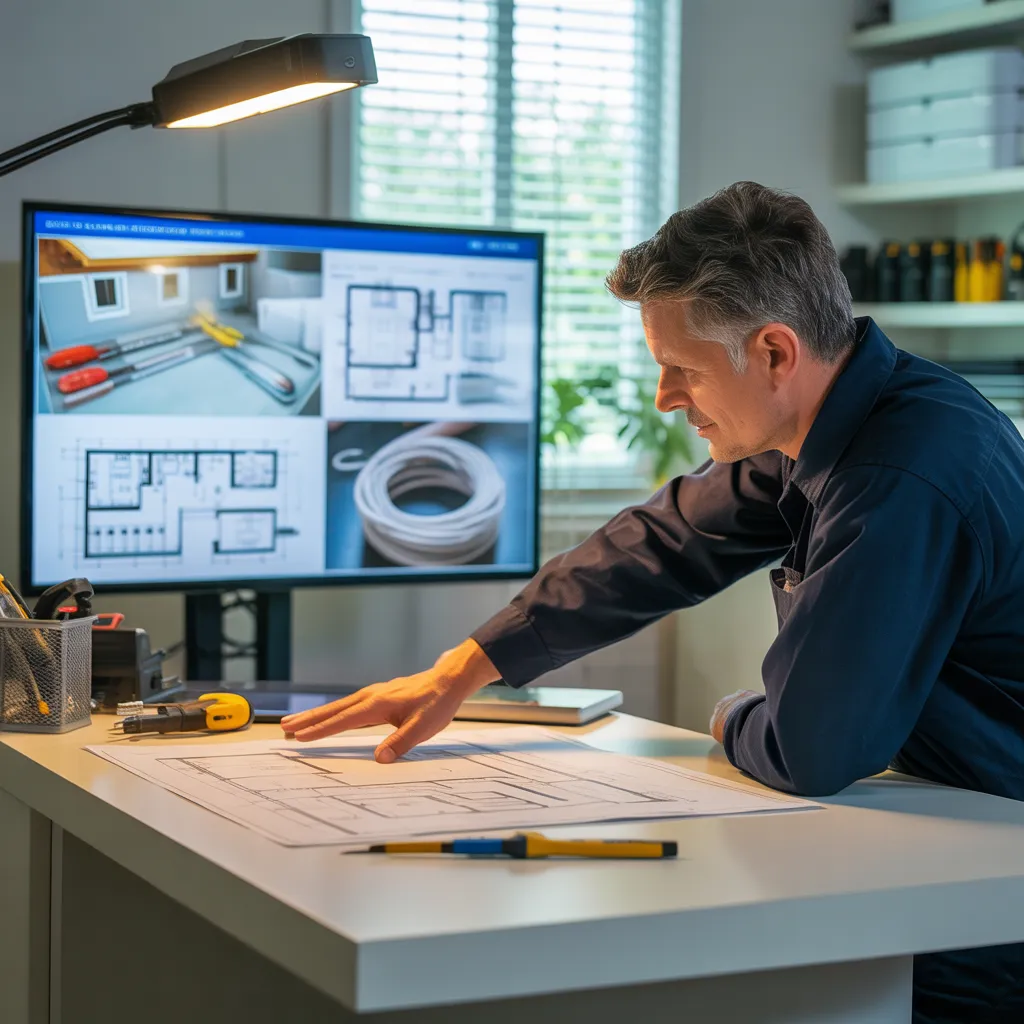
Typical Electrical Problems and How to Address Them
Electrical problems have the potential to affect daily activities, highlighting the need to understand typical concerns and their remedies. Flickering lights, for instance, often result from loose bulbs or faulty wiring. Reinforcing connections or installing new bulbs can eliminate this concern. Circuit overloads, marked by consistent breaker interruptions, can be remedied by reallocating appliances to separate circuits or enhancing the electrical panel.
Another common issue is outlets that fail to work, which can result from tripped breakers or faulty wiring. Testing the breaker and inspecting the outlet can help identify the cause. Finally, ground fault circuit interrupters (GFCIs) can activate unexpectedly as a result of moisture or defective devices; resetting the GFCI or swapping out faulty devices can bring back full functionality. Recognizing these common electrical problems enables homeowners to address issues promptly, ensuring safety and efficiency within their households.
Why Regular Electrical Inspections Matter
While many homeowners tend to underestimate the value of scheduled electrical evaluations, these inspections are essential for maintaining safety and efficiency in any property. Regular inspections identify common dangers including deteriorating wiring, obsolete systems, website and overwhelmed circuits, that may result in electrical fires or equipment failures. By addressing these issues proactively, property owners can avoid costly repairs and ensure adherence to safety standards.
Moreover, inspections are instrumental in uncovering energy inefficiencies within a property, facilitating changes that contribute to lower utility bills. Licensed electricians possess the expertise to detect early signs of wear and damage that an untrained eye might miss. In addition, routine inspections often enhance the longevity of home electrical systems and connected appliances, contributing to overall property value. At the core of it all, making regular electrical inspections a priority is a vital measure in protecting the safety of residents and the structural integrity of the property.
How Inspections Lead to Safe Installations
Routine electrical inspections serve a critical function in guaranteeing that installations are performed safely and efficiently. Such inspections enable certified electricians to assess current wiring, outlets, and fixtures, detecting potential dangers or code violations before new installations begin. By reviewing the overall condition of the electrical system, electricians are able to resolve problems such as obsolete wiring or insufficient grounding, which may pose a threat to safety.
In addition, inspections offer a chance to confirm that all components meet current safety standards. This forward-thinking step not only strengthens the safety of the installation procedure but also safeguards homeowners against future electrical issues or risks. Qualified electricians draw on their experience to propose necessary enhancements or alterations, confirming that all installations adhere to recognized best practices. Ultimately, consistent inspections promote a safer home environment, offering homeowners reassurance while lowering the chances of electrical fires or malfunctions in the years ahead.
Modernize Your Electrical Panel for Optimal Safety
Replacing the electrical panel is a vital step in enhancing safety within a home. A dated panel can create considerable risks, including electrical fires and equipment damage. Certified electricians suggest this update to handle current electrical needs and ensure reliable power distribution.
Updated panels feature sophisticated protective features, such as circuit breakers that immediately halt electrical flow in the event of overloads or faults. This lowers the likelihood of overheating and possible hazards. Furthermore, an upgrade frequently enables the addition of more circuits, accommodating the increasing number of electronic devices in households today.
Homeowners could observe lights that flicker, circuit breakers that trip often, or the odor of something burning, all of which are indicators that an upgrade could be needed. Speaking with a qualified electrician can offer guidance on whether an electrical panel upgrade is needed, creating a more secure living space while accommodating the needs of today's electrical demands.
How to Handle an Electrical Emergency
Electrical emergencies can arise unexpectedly, often highlighting the significance of a properly maintained electrical panel. In such situations, swift action is necessary to ensure safety. First, individuals should stay composed and examine what is happening. If there is smoke or flames, evacuating the premises and calling emergency services takes precedence. For electric shock incidents, it is important not to make direct contact with the victim and instead employ a non-conductive item to disconnect them from the electrical source.
In the event of a power outage, inspecting the circuit breaker is a wise measure before contacting a licensed electrician. Should strange odors or buzzing noises come from outlets, it is critical to disconnect appliances and cease using them until a certified specialist can examine the system. Above all, keeping copyright details for a licensed electrician on hand can enable prompt response during urgent situations, guaranteeing safety and minimizing potential damage.
How to Choose the Right Licensed Electrician
What steps can someone take to ensure they choose the correct licensed electrician for their situation? First, it is essential to verify the electrician's license and insurance, ensuring compliance with local regulations. Additionally, gathering referrals from friends, family, or online reviews can offer valuable information about the electrician's dependability and standard of work.
Additionally, it is important to inquire about the electrical contractor's qualifications and areas of expertise, as certain electricians specialize in residential electrical projects while others excel in commercial installations. Asking for a thorough cost breakdown, including the cost of labor and materials, is essential for making cost comparisons and eliminating unexpected fees.
Additionally, examining communication skills is vital; a good electrician should explain issues clearly and respond to questions with patience. Lastly, looking for warranties on jobs completed can indicate a pledge to excellence. By considering these factors, homeowners can choose wisely, guaranteeing safety and satisfaction with their preferred electrician.
Common Questions and Answers
What Credentials Should I Seek in a Licensed Electrician?
When seeking a qualified electrician, one should prioritize qualifications such as appropriate licensing, relevant certifications, extensive experience, strong client testimonials, and adherence to safety regulations, securing both expertise and trustworthiness in electrical services.
What Are the Typical Costs for Electrical Services?
Electrical contractor rates usually fall in the range of $50 to $100 an hour, based on the job's complexity and the electrician's level of expertise. Additional fees may apply for necessary materials, official permits, or emergency requests outside normal business hours.
Do Warranties Exist for Electrical Work?
A large number of licensed electricians extend warranties for their work, typically covering parts and labor for a specified period. Such coverage promises customer satisfaction and gives reassurance with respect to the quality and longevity of the electrical work carried out.
Can I Perform Electrical Work Myself?
While individuals may attempt electrical work themselves, it is generally not advisable. Licensed electricians possess the expertise and knowledge necessary to guarantee safety and compliance with regulations, minimizing the risk of accidents and potential hazards.
How Often Should I Schedule Electrical Inspections?
Homeowners should arrange electrical inspections every 3 to 5 years, or at shorter intervals if issues are present. Regular assessments can detect electrical risks, providing safety and compliance with existing electrical codes and regulations.